Hialeah Code Violation Help: What the County Wants and Your Options
Got a Hialeah code violation notice from Miami-Dade BNC? Here's what the County actually wants, the real timeline, and your four options before fines compound.
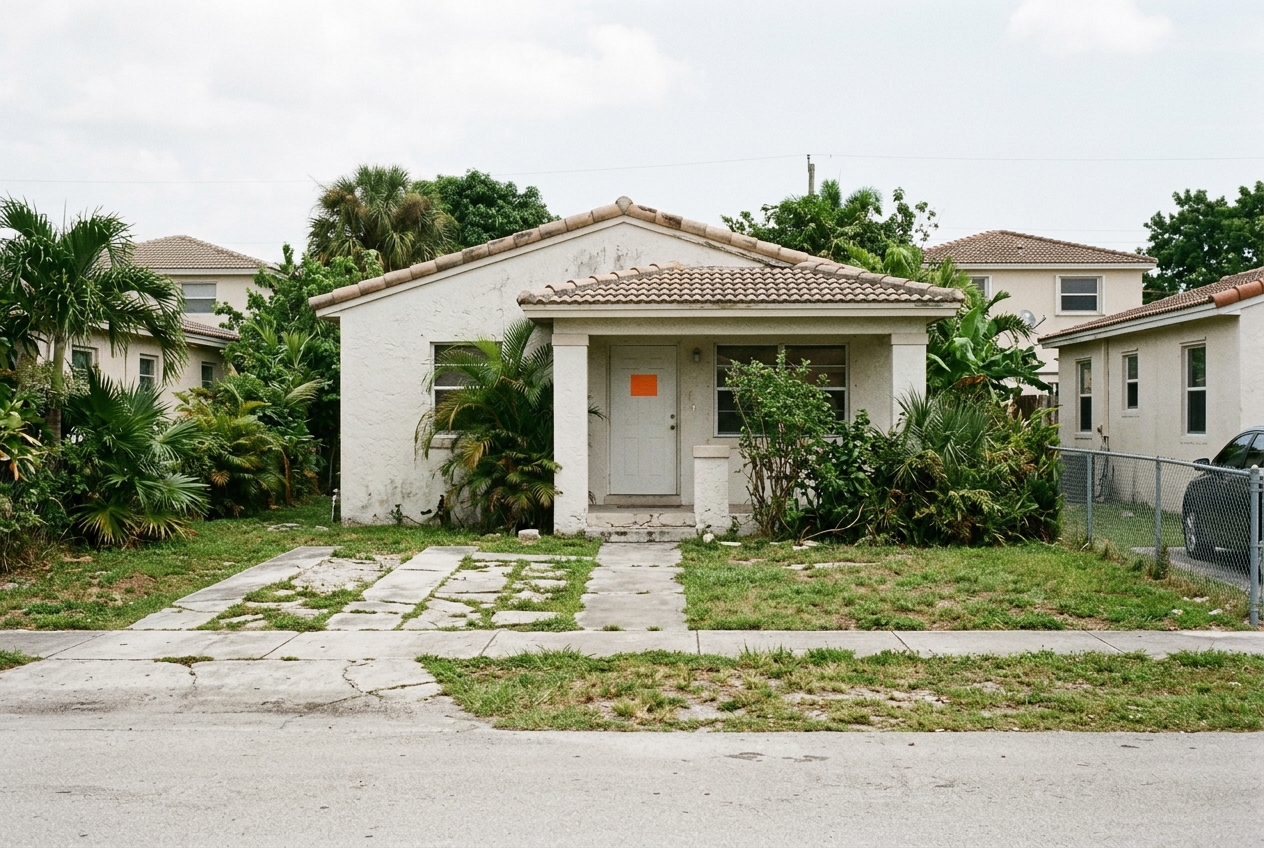
You came home, the notice was taped to the door or sitting in the mailbox, and now it's on the counter. Miami-Dade Building & Neighborhood Compliance letterhead. A case number. A date. Maybe a fine amount, maybe not yet.
If you're reading this at 11pm on your phone, you're not the first Hialeah homeowner to do that this week. You're probably not even the first one on your block.
Let's go through what this paper actually is, what the County is actually asking for, and what your real options are. Not the marketing version. The kitchen-table version.
What the notice actually is
The County renamed Code Enforcement to Building & Neighborhood Compliance a few years back. Same department, mostly the same inspectors, new letterhead. In Hialeah you also have the City of Hialeah code enforcement on top of County BNC, and which one is on your notice matters because the fines and the hearing process are slightly different.
Read the top of the page. If it says Miami-Dade County, you're in the County system. If it says City of Hialeah, you're in the city system. Either way, the structure is similar: a notice of violation, a deadline to cure, and a hearing if you don't.
The notice is telling you three things. What the violation is. How long you have to fix it. What happens at the hearing if you don't.
What the County actually wants
The County does not want your house. The County wants compliance. An inspector wrote you up because something on the property is out of code, and their job is to get it back into code.
Common ones in Hialeah: unpermitted additions (the back room, the carport that became a bedroom, the efficiency in the garage), expired or open permits from work that was never closed out, overgrown lot, accumulated junk or inoperable vehicles, illegal fence height, work without a notice of commencement, roof done without a permit, septic issues.
The inspector wants the violation cured. The Magistrate wants to see that you tried. The County wants the file closed. Everyone in this system would rather not foreclose on a lien. It is a lot of paperwork for them too.
That said, the system does foreclose on liens. Quietly, steadily, every month. So "they don't want your house" is true and also not a reason to relax.
The realistic timeline
From first notice to magistrate hearing is usually 30 to 60 days. The hearing is where the Special Magistrate either gives you more time, finds you in violation and sets a daily fine, or accepts that you've cured it.
Daily fines in Miami-Dade BNC commonly run $250 a day on lot-clearing and basic compliance orders, and can go higher for repeat violators or structural issues. That number does not sound scary on day one. On day ninety it is $22,500 and the lien is recorded against the folio.
Once the lien is recorded, it sits on the property. It accrues. It blocks a clean sale. It can be foreclosed by the County after a waiting period. And if there's also unpaid property tax, a tax certificate holder can apply for a tax deed, and the Miami-Dade Clerk lists the auction 30+ days after that application on the Clerk's website. Two clocks, same house.
Your four real options
Everybody selling you advice online wants to pretend there are twelve options. There are four.
Cure it. Hire a contractor, pull the permits, pay the fees, get the re-inspection, get the case closed. If the violation is small and you have the cash and a contractor who answers the phone, this is the cleanest path. Budget more time than you think. Permitting in Hialeah is not fast, and an unpermitted addition often means an engineer's letter, a survey, sometimes opening walls. A $400 fence violation can stay a $400 fence violation. A $40,000 unpermitted addition rarely stays $40,000.
Fight it. Show up at the magistrate hearing. Argue the notice is wrong, argue hardship, argue you need more time. Magistrates in Miami-Dade are not unreasonable people. If you have a real plan and a real contractor lined up, they often grant a continuance. If you don't, they set the fine and you leave with a worse problem than you came in with. A lawyer helps. A lawyer also costs money you may be trying to save.
Sell to us. This is what Help With Violations does. We buy the house as-is, cash, close in seven days. The lien, the open permit, the daily fines, the back taxes if there are any, all of it comes out at closing. You sign, you get a check, you walk away clean. We deal with the County after. You don't need to fix anything, clean anything, or show the house to anyone but us.
Ignore it. Most people pick this one without meaning to. The notice goes in a drawer. The hearing happens without you. The fine runs. The lien attaches. A year goes by. Two years. Then a certified letter arrives that is much harder to put in a drawer, and by then the math has changed against you. Fines have compounded. If property taxes also went unpaid, a cert holder may have already applied for the tax deed and the Clerk has already set an auction date. At auction the County gets paid, the cert holder gets paid, the attorneys get paid, and whatever is left, if anything, gets mailed to you. Usually nothing is left.
What most Hialeah homeowners get wrong
They think the fine stops if they stop opening the mail. It does not. The Magistrate hearing happens whether you attend or not. The lien gets recorded whether you read the certified letter or not.
They think a buyer will pay full market and "take care of" the violation later. Retail buyers cannot close with an open code case. Their lender will not fund it. Title will not insure over an active lien without it being paid at closing, which means it comes out of your proceeds anyway, plus interest, plus the daily fines that accrued while the house sat on the market for four months.
They think the inherited house from their mother is somehow exempt because mom had homestead. Homestead protects against forced sale by general creditors. It does not protect against a code lien foreclosure on the property itself, and it does not survive the way people think it does after the homesteader passes.
They think they have more time than they have. The certified letter on the counter is rarely the first one the County sent. By the time you're reading the notice, the case is usually already months in.
What happens if you wait six more months
The fine, at $250 a day, adds another $45,000 to the lien. Whatever you owed in back taxes grows by interest and Clerk fees. If a tax cert was sold on this folio, the holder gets closer to the two-year mark when they can apply for a tax deed. If they apply, the Clerk schedules the sale 30+ days out and posts it publicly.
At that point your options narrow to one and a half. You can try to redeem the tax certificate, which means coming up with the full balance plus interest in cash, fast. Or you can sell, but now you're selling under a public auction date, which is not a position that gets you the best number.
Waiting is a strategy. It is just rarely a winning one.
How a sale to us actually works in Hialeah
You call or text. We pull the folio, the open BNC case, the permit history, and the tax status before we even drive out. We come look. Usually same day or next day. We give you a number that already accounts for the lien, the fines, the open permit, and whatever else is on the property.
If the number works for you, we open title, we close in seven days at a local title company, and you get a wire or a check. The County gets paid at closing out of our funds, not yours. You don't fix the violation. You don't clean the house. You don't pay the lien. You hand over the keys and you're done.
If the number doesn't work for you, you say no and we shake hands. We're not the only option and we don't pretend to be.
I've bought houses on West 4th, on East 25th, off Okeechobee, off 49th, in Palm Springs North, in the parts of Hialeah Gardens that everyone forgets are technically a different city. The cases all look different on paper. The math underneath is usually the same.
If you want a number on your specific notice, call. Bring the case number, the folio, and whatever paperwork you have. Ten minutes on the phone tells you whether selling makes sense or whether you should just cure it and move on. Either answer is fine. The County clock keeps running while you decide.
— Maurice