What Is Miami-Dade Code Compliance? Your Four Real Options
A Miami-Dade code compliance notice explained plainly: what BNC actually wants, the real deadlines, fine math, and the four options you actually have.
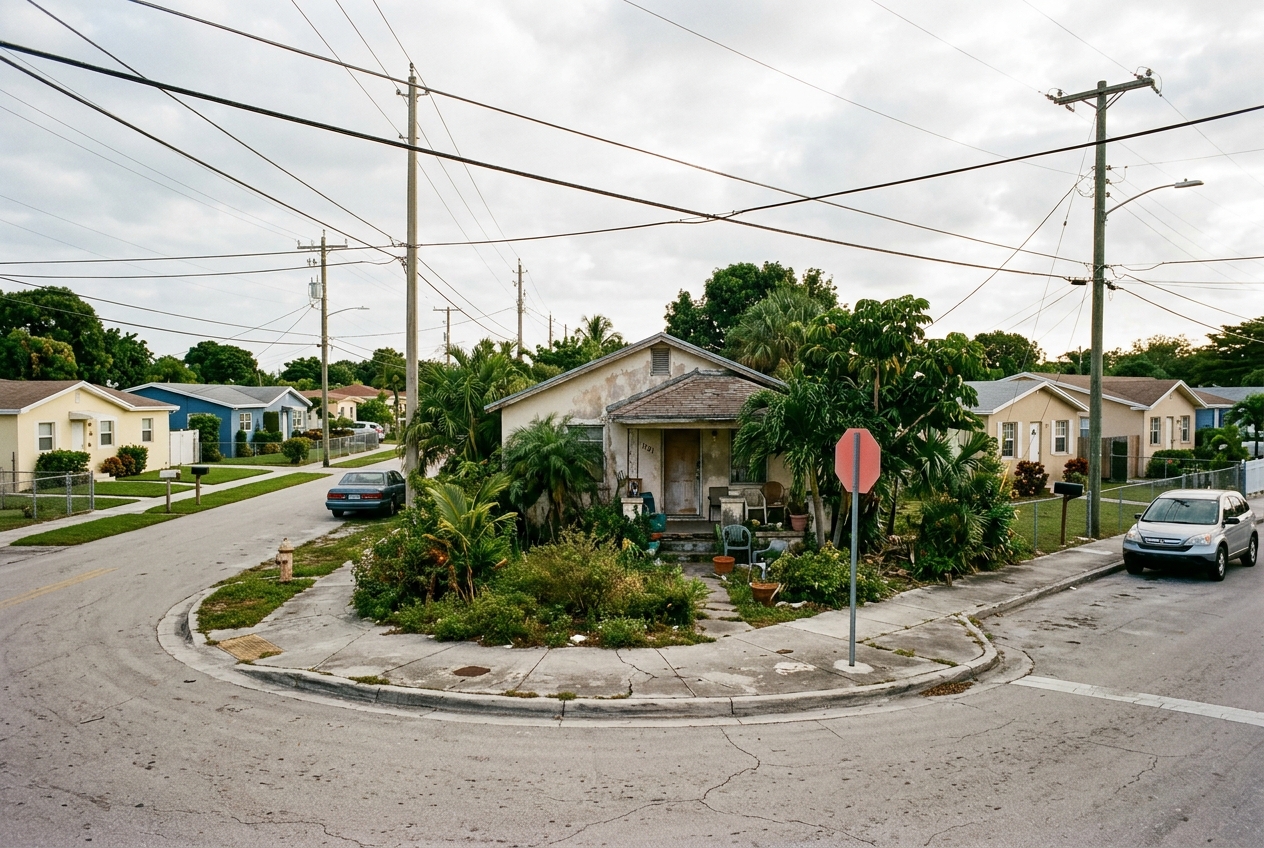
Someone stuck a notice on your door, or you found one folded into your mail, and now you are reading the words "Miami-Dade Building & Neighborhood Compliance" at eleven at night wondering what exactly you signed up for.
You did not sign up for anything. The County found something on your property they want fixed, and they started a clock. That is what this is.
Let me walk you through what the notice actually means, what happens on which day, and the four options you have. No lecture. Just the map.
What Miami-Dade Code Compliance Actually Is
A few years back, the County renamed Code Enforcement to Building & Neighborhood Compliance. Same department, same inspectors, same fines. Everyone still calls it Code. The letterhead says BNC.
BNC handles the everyday stuff that makes a neighbor call 311 or an inspector drive by. Overgrown lots. Unpermitted work. Junk vehicles. Roofs with tarps that never came off after Irma. Fences that fell in Ian. A shed your uncle built in 2004 without a permit. An addition that never got a CO.
The notice you are holding names a specific violation, cites a specific section of the County code, and gives you a specific number of days to cure it before the fines start.
BNC does not want your house. BNC wants compliance. The problem is the system forecloses on liens anyway, quietly, every month, when compliance never comes.
The Real Timeline
Every notice has three phases. Knowing which one you are in tells you how much runway you have.
Phase 1 — Cure period. The initial notice gives you a window, usually 30 days, sometimes 15 for safety issues, to fix the violation. No fines yet. This is the cheapest moment to act.
Phase 2 — Magistrate hearing. If you do not cure, BNC sets a hearing in front of a Special Magistrate. In Miami-Dade these are typically scheduled 30 to 60 days after the notice of hearing. The Magistrate confirms the violation exists and enters an order with a compliance deadline and a daily fine amount.
Phase 3 — Daily fines and lien. Miss the Magistrate's deadline and the fines start compounding. Lot-clearing orders run $250 per day. Structural and unsafe-structure orders can run higher. After a while, the County records the accrued fine as a lien on your folio. That lien sits on title until it is paid or foreclosed.
| Day | What is happening | What it costs |
|---|---|---|
| 0 | Notice served | $0 |
| 15-30 | Cure deadline | $0 if cured |
| 45-90 | Magistrate hearing | Order entered, deadline set |
| 90-150 | Daily fines begin | $250/day and up |
| 6-12 months | Lien recorded on folio | Full accrued fine plus admin |
| 1-3 years | County can foreclose the lien | House goes to auction |
Six months of $250/day is $45,000. That is not a scare number. That is arithmetic.
Your Four Real Options
Every homeowner with a BNC notice has exactly four moves. Everything else is a version of one of these.
1. Cure It
Call a contractor. Pull the permit. Clear the lot. Tear down the unpermitted shed. Get the CO. Pay the admin fees. Walk into the next inspection clean.
This works when you have the cash, the bandwidth, and a violation that is actually curable at a reasonable cost. A dead fence and some overgrown grass is a Saturday. An unpermitted 800-square-foot addition that was built without setbacks is not.
2. Fight It
Show up at the Magistrate hearing and contest. Sometimes the inspector got the folio wrong. Sometimes the work was permitted and BNC missed the record. Sometimes you have a legitimate hardship the Magistrate will consider.
A lawyer helps here, especially on structural or demolition orders. But fighting only makes sense when you have a real defense. Showing up to argue you did not know is not a defense.
3. Sell to Us
HWV buys these houses. Cash, seven days, as-is. The BNC lien, the accrued fine, any back taxes, any open permits — all of it comes out at closing. You sign, you get a wire, you are done.
This is the right call when the cure cost is bigger than the equity, when you do not live there anymore, when you inherited it and have no interest in the fight, or when you just want the whole thing off your name.
4. Ignore It
Most people take this path without deciding to. The notice goes in a drawer. The Magistrate hearing happens without you. The fines start. The lien records. Two years later, the County or a tax cert holder starts a foreclosure and you get a certified letter you also ignore.
Eventually the house goes to a tax deed sale on the Miami-Dade Clerk's website, scheduled 30-plus days after the cert holder applies. Certificate of title issues 10 days after the auction. Whatever the house sells for goes first to the County, then to the cert holder, then to attorneys, then to any junior lienholders. Whatever is left is called surplus. Sometimes there is surplus. Usually there is not.
| Path | Cash out of pocket | Time | Best for |
|---|---|---|---|
| Cure | $2K–$80K+ | 30–180 days | Small violations, owner-occupants with equity |
| Fight | $500–$5K legal | 60–180 days | Wrong notice, real hardship, defensible facts |
| Sell to HWV | $0 | 7 days | Cure cost > equity, inherited, absentee, tired |
| Ignore | $250/day + lien + house | Until foreclosure | Nobody. Nobody chooses this on purpose. |
What Most People Get Wrong
They think the notice is a suggestion. It is not. It is the opening move in a legal process the County runs every day and is very good at.
They think if they do not open the certified mail, the clock does not start. It does. Service is deemed complete when BNC follows the statutory service rules, whether you read the envelope or not.
They think a small violation stays small. It does not. A $250/day fine on a lot-clearing order that runs eight months is $60,000 recorded against a folio worth $180,000. That is a third of the house, gone to a fine that started as a mowing issue.
They think they can sell it on the regular market with the lien on it. Sometimes yes, but the buyer's lender will require the lien paid at closing, which means it comes out of your net, and the cure has to happen before the buyer's inspection anyway. Retail buyers do not buy houses with active BNC orders.
What Happens If You Wait Six More Months
The fine doubles or triples. If there is a mortgage, the servicer may find out through their annual title check and start their own default process. If there is no mortgage but there are back taxes, the tax cert on your folio gets closer to the two-year window where the holder can apply for a deed.
The cure gets more expensive too. Contractors charge more for rush jobs. Permits that could have been legalized cleanly six months ago now need engineering.
And the house is worth less to any buyer, including us, because we have to underwrite a bigger lien and a bigger unknown.
Sources
- Miami-Dade Building & Neighborhood Compliance — confirms BNC handles code violation intake, notices, and magistrate referral in unincorporated Miami-Dade.
- Miami-Dade Clerk of Courts — Tax Deed Sales — confirms tax deed auction listings, the process after a certificate holder applies, and the 10-day certificate of title issuance.
- Florida Statutes Chapter 162 — County or Municipal Code Enforcement — the state law that governs code enforcement magistrate procedure, hearings, and lien recording.
- Florida Statutes Chapter 197 — Tax Collections, Sales, and Liens — the statute behind tax certificates, tax deed applications, and surplus distribution.
- The Florida Bar — Consumer Pamphlets on Real Property — plain-English overview of homeowner rights and foreclosure basics in Florida.
I have bought a lot of these across Miami-Dade and the pattern is always the same. The people who called on day 20 walked away with money. The people who called on day 400 walked away with the clothes they came in with. If you want a number on your place, call. If you want to think about it, think about it. The County clock keeps running either way.
— Maurice